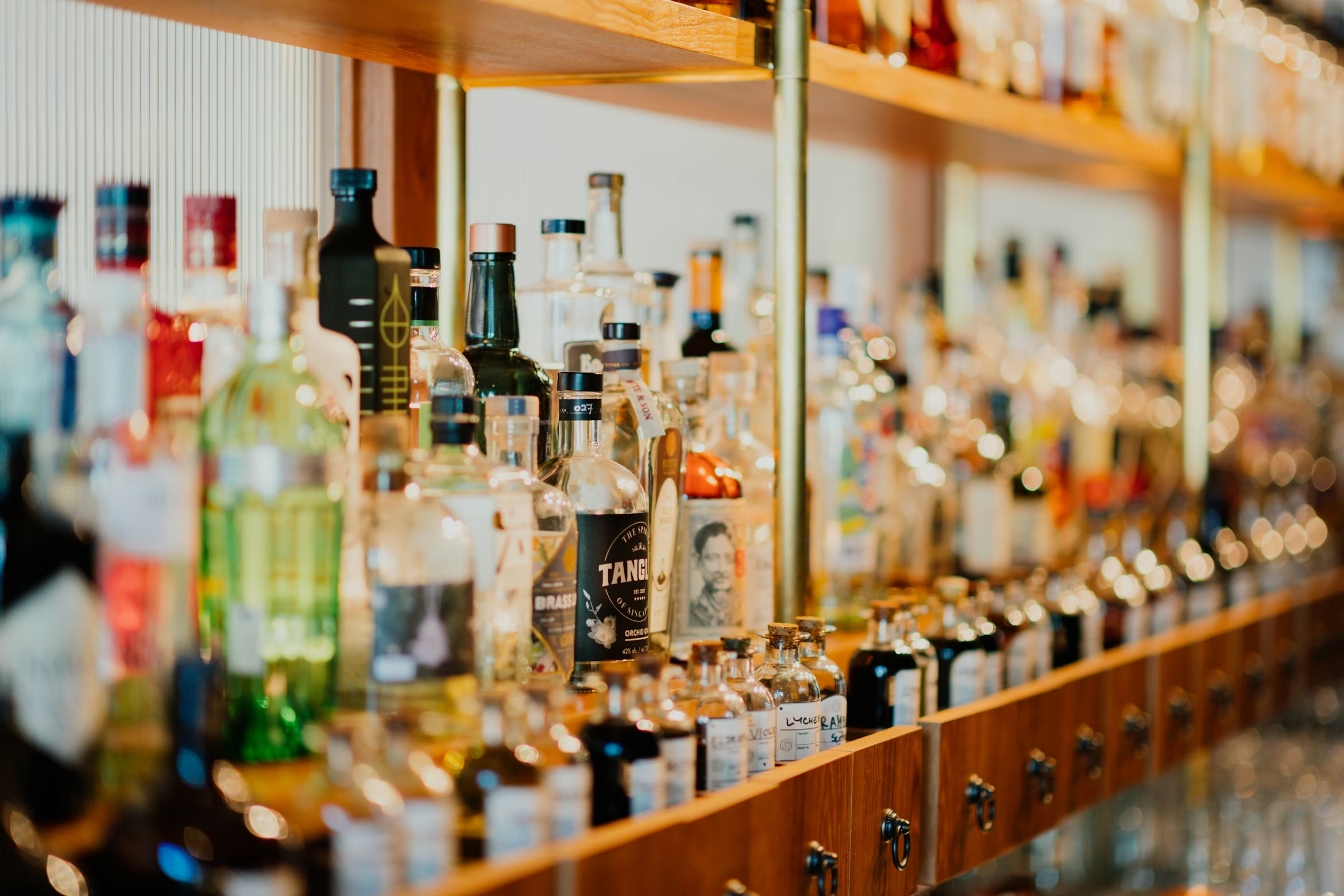
Back in 2020, when I was 18, alcohol was normal. It wasn’t a question. It was just there — weekends, hangouts, people. Drinking meant blending in. Not drinking meant being strange.
I drank, and every time I did, something felt off. Not dramatic. Just quiet guilt. A sense that I was borrowing relief instead of earning clarity. It took me a while to understand why.
Alcohol isn’t framed as a problem. It’s framed as social glue. If you drink, nobody asks questions. If you don’t, suddenly you owe explanations. And the more I watched, the clearer it became: alcohol wasn’t solving anything — it was pressing mute.
What scared me wasn’t the drinking itself. It was how effective it was at numbing. Bad week? Drink. Stress? Drink. Loneliness? There’s always someone else holding a glass. You’re never alone when alcohol is involved — even if nothing real is actually happening.
The problem is that discomfort is useful. Tension matters. Stress, frustration, dissatisfaction — those are signals. They tell you something needs to change.
If you hate how you look, something in your habits needs attention.
If you hate your job or fight with someone you love, something is wrong.
And the only thing strong enough to move you is discomfort.
Alcohol suffocates that signal. You feel fine while the problem stays exactly where it is. Life becomes sleepy. Manageable. Static.
For some people, that’s fine. A few beers a day, no issue.
But it wasn’t fine for me.
Alcohol also rewards too much, too easily. A workout, a walk, building something, having good sex, cooking a good meal — those reward you, but they ask something from you first. Effort. Presence. Patience.
Alcohol doesn’t. It shortcuts the system. You don’t need clarity, connection, or momentum. Just pour more.
Over time, the bar moves. You need more. Nobody notices — because everyone else is doing the same thing.
Sure, alcohol can break the ice. But it also lets you say things without owning them. You can act careless and later explain it away: I was drunk. That might get you a hookup. It rarely builds something solid.
I realized I wanted my life to be judgeable. I wanted to know if I actually enjoyed someone — or if alcohol bent my perception. If I liked the conversation — or just the buzz.
If I enjoy your company sober, that means something.

Quitting changed everything. It also cost me things. My social life shrank. Spontaneity faded. Those easy nights where you let go without thinking — gone. For a while, I replaced belonging with superiority. I told myself I was above it. I wasn’t. That was just ego trying to protect me from isolation.
Later, I stopped explaining myself altogether.
Telling people the real reason I don’t drink tends to feel like an attack — not because it is one, but because it questions something they rely on. So now I keep it simple. I don’t drink. Or I’m training tomorrow. It waters down the tension. It lets people be as they are.
I’m not proud of that — but it’s better than turning every hangout into a values debate.
I’m not looking backwards because I already got the lesson. Alcohol isn’t evil. It’s just not neutral. And for me, clarity matters more than comfort. Awareness more than anesthesia.
This choice didn’t make life easier.
It made it sharper.
And I’d rather feel the edge than sleep through it.
One of the reasons I decided to create Moment is to notice the stories we’re telling ourselves.
If you’re curious, you can try Moment here.
No pressure. Just a few mindful pauses — maybe they’ll change something.
Message board · 0 approved comments
No approved comments yet. A suspiciously peaceful corner of the internet.
Leave a comment
Plain text only. New messages wait for moderation before appearing.